Accessibility Options






 My Account
 Pre Approved Offer
 Make Payment
 Branch
Locator
Branch
Locator Xpress Services
-

Khushiyon ka seasonDrive Growth with HDB Commercial Vehicle Loan
-

Khushiyon ka Season Drive Growth with HDB Tractor Loan
-

Get an Instant Salaried Personal Loan Now! With Attractive Interest Rates*
-

Pre-Owned Car Now Yours! Fulfill Your Dream Drive with HDBFS Car Loan
-
Hyundai - Let's Make It Big Now Own Your Favorite Car with HDBFS
-

Get Honda Two-Wheeler at Low DP Applicable for Honda Shine 100 & Activa only
-

Celebrate Sangeetha's 52nd Anniversary Sale Win a Gold Coin & Get Assured Vouchers worth Rs.60,000*
-
Instant Personal Loan Get an Instant Personal Loan now for upto Rs. 25 Lakhs!
-

Instant Pre-approved Offers Apply for Pre-approved loans in just 5 mins with Zero documentation!
-

HDB ontheGo App One application to view & manage your loan account & also apply for new loan

-
Khushiyon ka seasonCelebrate the Devine Festive of Janmashtami and Grow Your Business with Commercial Vehicle Loan
-
Celebrate the Divine Festive of Janmashtami and Grow Your Business with Tractor Loan
-
Get an Instant Salaried Personal Loan Now! With Attractive Interest Rates*
-
Pre-Owned Car Now Yours! Fulfill Your Dream Drive with HDBFS Car Loan
-
Hyundai - Let's Make It Big Now Own Your Favorite Car with HDBFS
-
Get Honda Two-Wheeler at Low DP Applicable for Honda Shine 100 & Activa only
-
Celebrate Sangeetha's 52nd Anniversary Sale Win a Gold Coin & Get Assured Vouchers worth Rs.60,000*
-

Cashback offers on Iphone17 Pro Cashback offers upto Rs. 5,100*
-
Instant Personal Loan Get an Instant Personal Loan now for upto Rs. 25 Lakhs!
-
Instant Pre-approved Offers Apply for Pre-approved loans in just 5 mins with Zero documentation!
-
HDB ontheGo App One application to view & manage your loan account & also apply for new loan
- Home
-
About Us

-
Products
- Hot Offers NEW
- Blogs
-
Investors
-
Customer Services
- Careers
-
CSR





 My Account
 Pre Approved Offer


Call Us
+91 44 42984541(Charges Applied)10.00am-6.00pm, Mon-Fri (Excluding Holidays)
Follow Us
- Blog
Cybersecurity Best Practices for Safe Digital Banking
2025-12-30


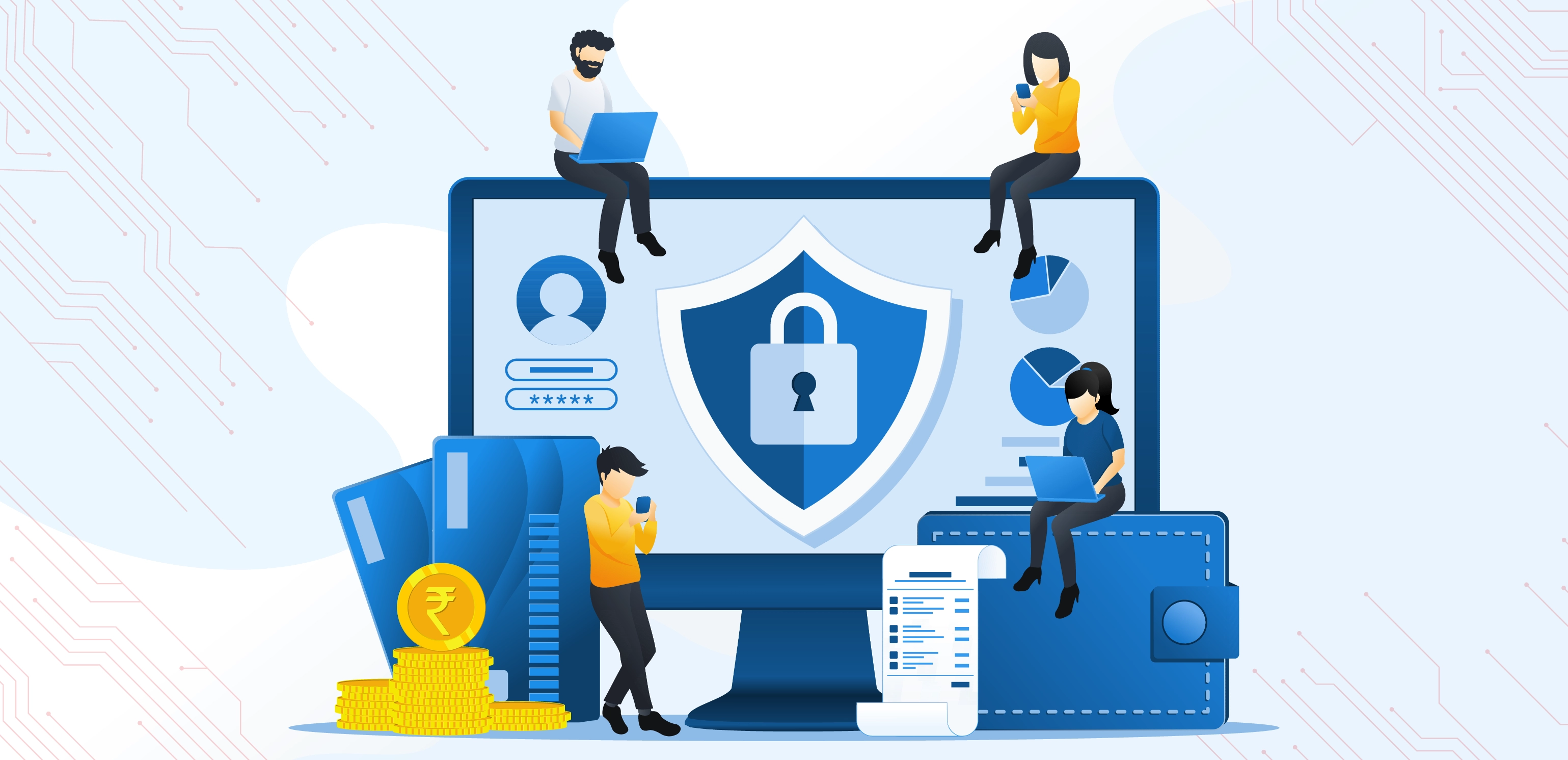
Cybersecurity Best Practices for Safe Digital Banking
The way we manage our money has changed drastically. From standing in long queues at the bank to completing transactions with just a few taps, digital banking has revolutionized the financial world. But with great convenience comes greater responsibility. As digital platforms grow, so do the threats that target them. That’s why understanding and implementing Digital Banking Cybersecurity best practices is not just an option anymore — it’s essential.
In this blog, we’ll explore the key steps you can take to keep your financial information safe, strengthen your online habits, and ensure peace of mind while banking digitally.
1. The Rise of Digital Banking and the Growing Risk
Digital banking has made life easier for millions of users by enabling instant transactions, online loan applications, and seamless account access. However, the increase in online activities has also attracted cybercriminals who use phishing, malware, and identity theft to exploit users.
Digital Banking Cybersecurity focuses on protecting your personal data, login credentials, and transactions from such attacks. Awareness is your first line of defense. Knowing how to identify scams, recognize suspicious links, and keep your devices secure can save you from potential losses.
If you’re new to online banking or want to upgrade your safety measures, start by visiting trusted awareness programs like HDB Financial Services, which regularly educates customers on safe digital banking practices.
2. Always Use Secure Devices and Networks
One of the simplest yet most overlooked aspects of Cybersecurity in Digital Banking is the security of your device and internet connection.
- Avoid public Wi-Fi for financial transactions. Open networks can easily expose your data.
- Install antivirus software to detect and block malware or phishing attempts.
- Keep your device’s operating system updated to close any security loopholes.
- Use official apps only from verified sources like Google Play or the Apple App Store.
By maintaining device hygiene, you significantly reduce the chances of cyberattacks and unauthorized access to your bank accounts.
3. Strengthen Your Passwords and Authentication
Your password is your digital key. Weak or reused passwords make it easier for hackers to break in.
Here’s how to strengthen your Digital Banking Cybersecurity through smarter authentication:
- Create complex passwords with a mix of upper and lowercase letters, numbers, and special characters.
- Avoid predictable choices like birthdays, pet names, or sequential numbers.
- Change passwords regularly and never share them with anyone.
- Enable two-factor authentication (2FA) for an extra layer of security.
Some financial institutions even use biometric verification like fingerprints or facial recognition, adding another safeguard for your data.
4. Beware of Phishing and Fake Links
Phishing is one of the most common forms of cyber fraud today. It tricks users into revealing personal information by pretending to be legitimate banking communication.
To strengthen your Cybersecurity in Digital Banking, always:
- Check the sender’s email address or phone number.
- Avoid clicking on links received through suspicious messages or social media posts.
- Look for website authenticity — genuine bank websites start with “https://” and display a lock symbol.
- Report suspicious activity to your bank immediately.
Staying alert can help you avoid falling into traps that compromise your financial safety.
5. Regularly Monitor Your Accounts
Regular account monitoring is an often underestimated yet powerful tool for Digital Banking Cybersecurity. By checking your statements and transaction history, you can quickly identify any unauthorized activity.
- Set up alerts for every transaction.
- Review statements monthly for unusual charges.
- Report discrepancies immediately to your bank’s support team.
Being proactive helps prevent small fraudulent actions from turning into bigger financial losses.
6. Update Your Banking Apps and Software
Hackers often exploit outdated software to gain unauthorized access. Regular updates ensure that security vulnerabilities are fixed promptly.
For effective Cybersecurity in Digital Banking:
- Enable automatic updates for your banking apps and antivirus tools.
- Avoid outdated browsers when accessing your bank’s website.
- Uninstall unused applications that could pose hidden risks.
Updates not only improve performance but also enhance protection against evolving threats.
7. Stay Educated About New Threats
The world of Digital Banking Cybersecurity evolves rapidly. Cybercriminals constantly develop new tactics to exploit unsuspecting users. Staying informed about the latest threats can help you act wisely and protect your data.
Financial institutions often share awareness campaigns, newsletters, and online workshops to educate customers. Platforms like HDB Financial Services provide valuable insights and guides on staying safe while transacting digitally.
A little knowledge can go a long way in keeping your financial identity secure.
8. Use Strong Security Settings for Mobile Banking
Smartphones have become the primary device for online transactions. That’s why enhancing mobile security is an essential part of Cybersecurity in Digital Banking.
- Lock your phone with a PIN, fingerprint, or face ID.
- Avoid saving passwords or card details in your browser or apps.
- Disable Bluetooth and location services when not in use.
- Log out after each session to prevent unauthorized access.
These small but crucial habits go a long way in maintaining safe and secure banking experiences.
9. Protect Your Personal Information
Your personal information is often the target of cybercriminals. To maintain strong Digital Banking Cybersecurity, avoid oversharing on public platforms.
- Never disclose sensitive details like your bank account number, CVV, or OTP to anyone.
- Ignore calls or messages claiming to be from the bank asking for credentials.
- Store physical documents safely and shred those you no longer need.
Identity theft often begins with small leaks of personal information, so staying cautious helps keep your finances intact.
10. Secure Your Email and Cloud Accounts
Your email often serves as a gateway to your financial accounts. If compromised, it can expose sensitive information related to your digital banking activities.
- Enable multi-factor authentication for your email.
- Use a different password for your banking and email accounts.
- Avoid opening unknown attachments that may contain malware.
This practice strengthens your overall Digital Banking Cybersecurity framework, ensuring your accounts stay private and safe.
11. Keep Emergency Contacts Handy
Even with strong precautions, incidents can happen. Having your bank’s helpline and fraud-reporting contacts saved can help you act quickly in case of a security breach.
Institutions like HDB Financial Services have dedicated customer service teams to guide you through reporting and resolving such incidents efficiently.
Quick reporting helps minimize damage and restore your account’s safety faster.
12. Build a Habit of Safe Digital Behavior
The most effective Digital Banking Cybersecurity practice is to make security a daily habit. Always think twice before clicking, sharing, or downloading.
Good digital hygiene includes:
- Regular password updates
- Frequent monitoring of bank accounts
- Avoiding unknown links or attachments
Your vigilance is the best defense in the digital age.
Safety Begins with Awareness
Digital banking brings speed, accessibility, and convenience, but your security should always come first. The right Digital Banking Cybersecurity habits protect you from threats, ensuring that your digital financial journey remains smooth and worry-free.
By being informed, alert, and proactive, you not only safeguard your personal data but also contribute to a more secure digital ecosystem.
When in doubt, stay informed through trusted awareness programs offered by financial institutions such as HDB Financial Services.
A few careful steps today can protect your hard-earned money tomorrow. Stay smart, stay secure, and bank safely in the digital world.